NFT regulation in India has become an important topic as artists, brands, investors and technology platforms explore non fungible tokens for ownership, monetisation and digital commerce. While NFTs are widely used across art, gaming and media, Indian law does not yet provide a single statute governing their creation or trade. Instead, NFTs are regulated through existing laws covering contracts, intellectual property, taxation and financial compliance. This guide explains how NFTs are treated under Indian law, the regulatory framework applicable to them, legal risks involved and the taxation position for individuals and businesses.
Understanding NFTs and Their Legal Nature
A non-fungible token represents a unique digital record stored on a blockchain. It is often linked to digital or physical assets such as artwork, music, collectibles or access rights. NFTs differ from cryptocurrencies because they are not interchangeable and do not function as currency. From a legal perspective, an NFT is not the asset itself. It is a tokenised representation associated with ownership or rights. The nature of those rights depends on contract terms and applicable law. Indian law focuses on substance rather than terminology. Courts and regulators examine what rights are transferred, how transactions occur and whether they comply with existing statutes.
NFT Regulation in India and the Current Legal Framework
NFT regulation in India does not exist as a standalone legal regime. NFTs are assessed under a combination of technology law, intellectual property law, contract law, taxation statutes and financial compliance rules. NFTs are not recognised as legal tender. They are treated as digital assets or virtual digital assets depending on context. Their legality depends on how they are structured and used. The absence of a dedicated NFT law does not mean absence of regulation. Instead, NFTs are subject to multiple layers of existing legal oversight.
Contract Law and NFT Transactions
NFT transactions are governed by the Indian Contract Act. Minting, sale and transfer of NFTs involve offer, acceptance and consideration. These elements must be present for enforceability. Smart contracts often automate NFT transfers. While automation assists execution, the underlying agreement must reflect clear intent and lawful object. Ambiguity in terms may lead to disputes. Platforms facilitating NFT transactions should ensure clarity in user agreements. Buyers should understand what rights they receive. Sellers should specify scope of transfer.
Intellectual Property Rights and NFTs
One of the most misunderstood aspects of NFTs relates to intellectual property. Purchasing an NFT does not automatically transfer copyright or other intellectual property rights. Copyright remains with the creator unless expressly assigned. NFTs often grant limited licences for display or use. Misrepresentation regarding ownership rights may lead to infringement claims. Indian copyright law protects original artistic works, music and literary content. NFT creators must ensure they have authority to mint tokens linked to protected works. Brands and businesses using NFTs for marketing must ensure trademark compliance. Unauthorised use of logos or brand assets may attract legal action.
NFTs and Financial Regulations
NFTs may attract financial regulation depending on structure. Where NFTs resemble investment contracts or promise returns, regulators may examine them under securities law principles. India does not classify NFTs as securities by default. However, fractional NFTs or profit-sharing arrangements raise regulatory concerns. Such models may attract scrutiny from financial authorities. The Reserve Bank of India does not regulate NFTs as currency. It monitors risks arising from digital assets interacting with the financial system. Businesses must avoid structuring NFTs in a manner that misleads buyers or mimics regulated financial products.
Taxation of NFTs in India
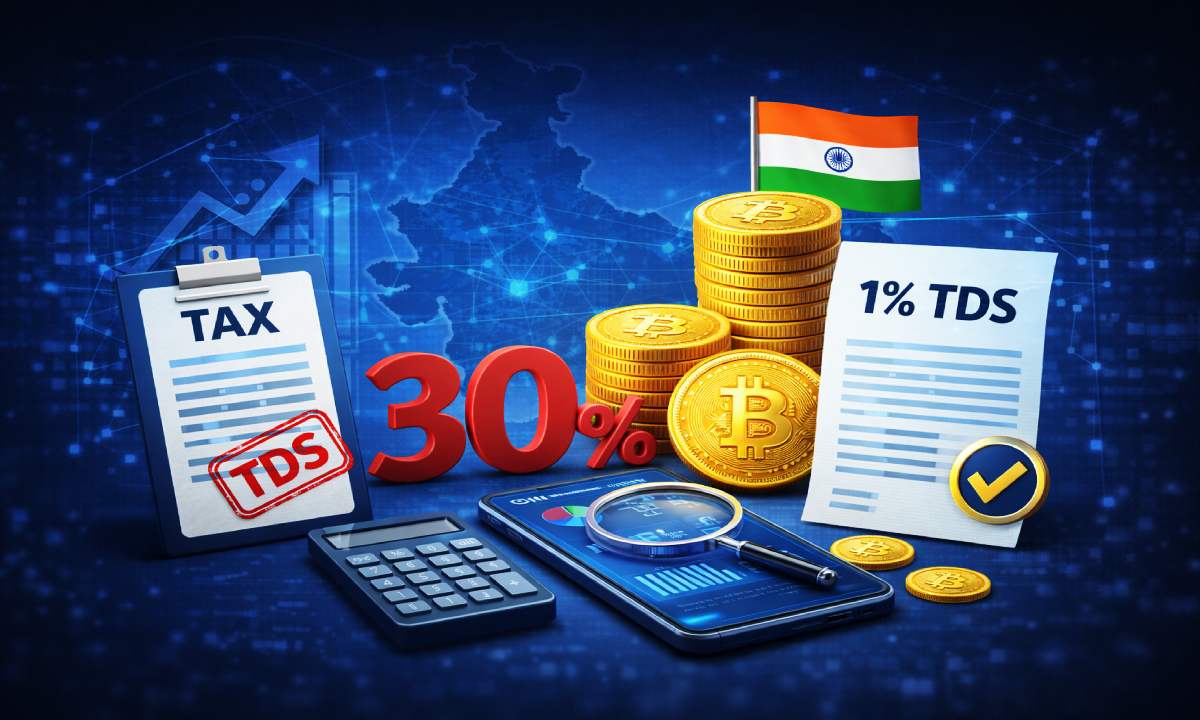
Tax law provides the clearest regulatory treatment for NFTs. NFTs fall within the definition of virtual digital assets for taxation purposes. Income from transfer of NFTs attracts tax at the prescribed rate. Losses from such transfers cannot be set off against other income. This applies to individuals and businesses. Tax deducted at source may apply to NFT transfers beyond specified thresholds. Platforms facilitating transactions often assist with compliance. NFT creators may also face tax on royalty income. Businesses dealing in NFTs must maintain proper records. Guidance issued by the Central Board of Direct Taxes clarifies reporting obligations. GST implications may arise where NFT transactions involve supply of services.
Data Protection and Technology Compliance
NFT platforms collect personal data from users. Compliance with the Digital Personal Data Protection Act is mandatory. Consent, purpose limitation and security safeguards are required. Blockchain based systems present challenges for data modification and erasure. Platforms must design systems that respect legal obligations. The Information Technology Act applies to online platforms facilitating NFT transactions. Grievance redressal and cyber security measures are essential. Failure to comply may result in penalties and loss of user trust.
Consumer Protection and NFT Marketplaces
Consumer protection law applies where NFTs are marketed to the public. Misleading claims, hidden terms or unfair practices may attract liability. Platforms should provide transparent information about risks, fees and rights. Refund policies and dispute resolution mechanisms should be clear. NFT marketplaces must act responsibly when listing projects. Failure to conduct basic due diligence may expose platforms to claims.
Legal Risks Associated with NFTs
NFT related risks include intellectual property infringement, fraud and regulatory uncertainty. Fake projects and unauthorised minting have resulted in disputes. Jurisdiction issues arise when platforms operate globally. Enforcement may be complex where parties are located in different countries. Smart contract vulnerabilities may result in loss. Automated execution does not eliminate legal liability. For businesses structuring NFT offerings, consultation with the best corporate law firm and lawyers in India helps ensure compliance with commercial and regulatory obligations.
NFTs in Commercial and Brand Use Cases
Brands use NFTs for engagement, loyalty programmes and digital collectibles. These use cases involve advertising law, consumer protection and intellectual property considerations. Clear terms and transparent communication reduce risk. NFTs used as access tokens or membership credentials must align with service obligations. Businesses should avoid speculative language or implied investment benefits.
NFTs and Enforcement Actions
Law enforcement agencies may investigate NFT related fraud under existing cyber and criminal laws. Blockchain records may be used as evidence. Where NFTs are used to launder funds or facilitate deception, enforcement agencies may intervene. Compliance with reporting obligations supports lawful operations. As NFT markets mature, regulatory scrutiny is expected to increase. For disputes involving token classification, tax exposure or cross border issues, guidance from a top crypto law firm and lawyers in India may assist with risk assessment and compliance planning.
vFuture Outlook of NFT Regulation in India
India continues to study global approaches to digital asset regulation. Policymakers aim to balance innovation and consumer protection. Future regulation may introduce clearer definitions and compliance standards. Until then, reliance on existing law remains the norm. NFT creators and platforms that prioritise transparency and legal compliance are better positioned for sustainable growth.
NFT Regulation in India: Legal Framework and Taxation
A detailed guide to NFT regulation in India covering legal status, taxation rules, intellectual property issues, compliance risks and regulatory framework.
Frequently Asked Questions (FAQs)
Are NFTs legal in India?
Yes, NFTs are legal in India and are not prohibited under any law. They are regulated through existing statutes such as contract law, intellectual property law and tax laws.
Do NFTs give ownership of copyright?
No, purchasing an NFT does not automatically transfer copyright in the underlying work. Copyright remains with the creator unless it is expressly assigned through a written agreement.
Are NFTs taxed in India?
Yes, income from the transfer of NFTs is taxed as a virtual digital asset under Indian tax law. Tax applies regardless of whether the seller is an individual or a business entity.
Can NFTs be treated as securities?
NFTs are not treated as securities by default under Indian law. However, NFTs structured with profit sharing or investment features may attract regulatory scrutiny.
Do NFT platforms need government approval?
NFT platforms do not require specific government approval in most cases. Compliance obligations depend on business structure, taxation rules and data protection requirements.